
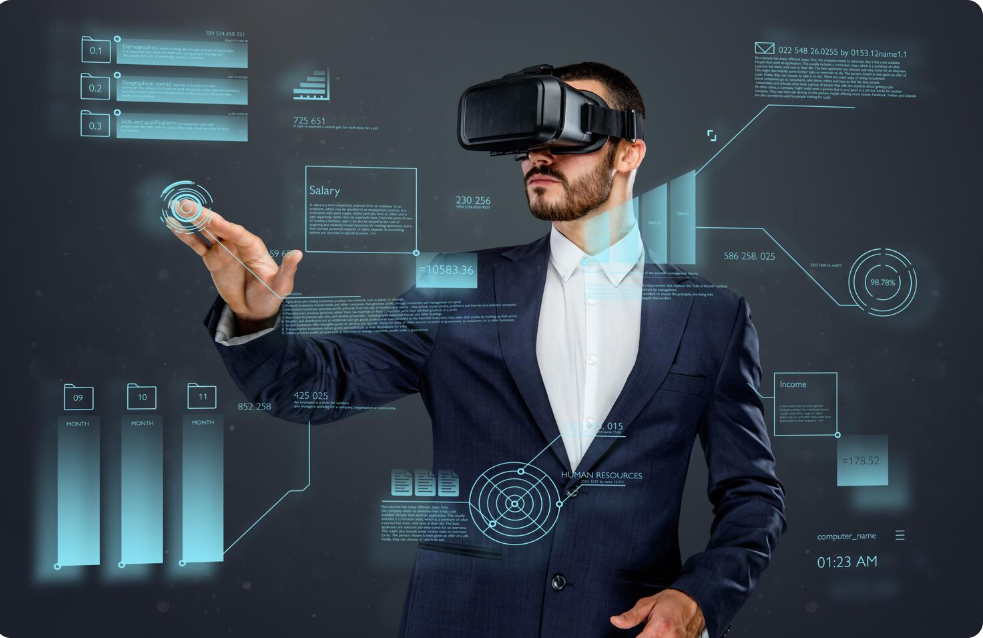
Understanding the Role of Technology
Technology has become an integral part of everyday life, influencing how people communicate, work, learn, and entertain themselves. From smartphones to smart homes, it simplifies tasks, improves efficiency, and expands possibilities. Technology is not just a tool—it shapes lifestyles, creates new opportunities, and drives global progress. Understanding its impact helps individuals and businesses make informed decisions and adapt to constant change.
Technology in Communication
Communication has been transformed by technology. Messaging apps, social media, and video calls allow instant interaction across the world. Information sharing has become faster and more accessible than ever. Technology also enables collaboration among teams, regardless of location. This constant connectivity strengthens relationships, improves productivity, and supports global exchange of ideas.
The Impact on Work and Productivity
Technology has revolutionized workplaces, creating more flexible and efficient work environments. Cloud computing, project management tools, and automated systems streamline processes and reduce manual effort. Remote work has become feasible, allowing employees to balance professional and personal life. Technology enhances efficiency, reduces errors, and supports innovation in all industries.
Technology in Education and Learning
Learning has been transformed by technology through digital platforms, online courses, and interactive tools. Students can access vast resources, attend virtual classrooms, and learn at their own pace. Technology supports diverse learning styles and makes education more inclusive. It also prepares learners for future careers that increasingly rely on digital literacy and problem solving skills.
Technology and Daily Life Convenience
Daily routines are increasingly influenced by technology. Smart devices automate tasks such as home temperature control, lighting, and security. Online shopping, banking, and navigation simplify everyday activities. Technology creates convenience while saving time and effort. These innovations allow people to focus on priorities, hobbies, and personal growth.
Technology and Entertainment
Entertainment has been reshaped by technology through streaming platforms, gaming, and virtual reality experiences. Audiences have more control over what, when, and how they consume content. Technology has also enabled creators to experiment with new formats and interactive storytelling. This evolution makes entertainment more immersive, engaging, and accessible to global audiences.
Driving Innovation and Problem Solving
Technology fosters innovation by providing tools to develop solutions for complex problems. Artificial intelligence, machine learning, and robotics create new opportunities in healthcare, agriculture, energy, and transportation. Innovation driven by technology improves efficiency, reduces costs, and enhances quality of life. Creative applications continue to expand what is possible in every field.
Technology and Social Impact
Technology influences society by connecting communities and spreading awareness. Social media campaigns, online activism, and information sharing help address social issues and encourage positive change. At the same time, ethical use and responsible digital behavior are essential to prevent misuse. Technology shapes public opinion, culture, and collective behavior.
The Future of Technology
The Future of Technology promises even greater integration into daily life. Emerging trends like virtual reality, augmented reality, and smart cities will redefine interaction, learning, and entertainment. Continuous innovation will create new industries, job roles, and ways of living. Understanding trends helps individuals and businesses prepare for opportunities and challenges ahead.
Balancing Technology and Life
While technology brings numerous benefits, balanced use is essential. Over reliance can impact mental and physical health, productivity, and social interaction. Mindful engagement ensures that technology enhances life without creating dependency. By setting boundaries and using tools intentionally, people can maximize benefits while minimizing drawbacks.
Conclusion
Technology shapes daily life, transforms industries, and opens new opportunities for the future. From communication and education to work and entertainment, innovation has redefined how people live, learn, and connect. Thoughtful use of technology enhances efficiency, creativity, and well being. As society continues to evolve, technology will remain a powerful force driving progress, convenience, and global connection.


